

Dhamma Master : ค้นหาหนังสือธรรมะ หน้า 4 / 6
หน้าหนังสือทั้งหมด
54
Raising Smart and Virtuous Children
utilize the four requisites, how they work, and how they
conduct their daily activities.
Parents can instill wholesomeness, intelligence, and
compassion towards others by teaching their children respe
การเลี้ยงดูเด็กอย่างชาญฉลาดรวมถึงการปลูกฝังคุณธรรมและสติปัญญาผ่านการสอนการเคารพวรรณกรรมและประสบการณ์ของคนที่มีคุณธรรม โดยการใช้สี่สิ่งจำเป็นในชีวิตและความวิตกกังวลเรื่องความรู้ทางโลกและผลงานของธรรมะเด
123
The Great Refuge of Humankind: Understanding the Teachings of the Lord Buddha
1. The mentor should have an unambiguous
biography. There must be proof of his life history; it can not
be vague and unreliable.
2. He must be extremely intelligent, exceptionally
virtuous, exceedingl
This text examines the criteria for an exemplary mentor, using the Lord Buddha as a prime example. It highlights the importance of a well-documented biography, exceptional knowledge, and the ability t
123
The Teachings of the Lord Buddha
1. The mentor should have an unambiguous biography. There must be proof of his life history; it can not be vague and unreliable.
2. He must be extremely intelligent, exceptionally virtuous, exceedingl
The mentor should have a clear biography and proven life history. Lord Buddha fits this as His documented life is a testament to His wisdom and virtue. He sought truth independently, achieving enlight
39
Interpretations of Dhammakāya in Early Pāli Texts
Gombrich, while differently translating the term in this passage as a bahubbiha compound 'dhamma-bodied,' similarly interprets it as an indication that the Buddha's true import is due to 'his teaching
This text delves into various scholars' interpretations of the term 'dhammakāya' within the context of early Pāli suttas. Gombrich views it as 'dhamma-bodied,' emphasizing that the essence of the Budd
45
Understanding Dhamma and Spiritual Realization
This corresponds to the set of four activities41 belonging to a Stream-attainer (sotāpattiyānga) which brings about other sets of qualities.
The titles ‘born of dhamma’ (dhammaja) and ‘created by dham
This content discusses the process of spiritual attainment through dhamma, emphasizing four key activities that lead to the emergence of noble qualities. It highlights how listening to the Buddha's te
57
The Concept of Dhamma and Kāya in Buddhist Philosophy
On the whole, it appears that the terms dhamma and brahma constituting four designations of the Tathāgāta are used in the sense of the ‘highest.’ It is most likely that they refer to Nibbāna.
This i
This study examines the terms dhamma and brahma, suggesting that they refer to the highest aspect of Tathāgāta, likely Nibbāna. The term dhamma denotes transcendental realities, transcending the realm
69
The Superiority of Dhamma over Worldly Existence
33. You were fed by me the milk that could relieve thirst (only) momentarily; But I was fed by you the dhamma-milk that is perpetually peaceful. In this passage, a comparison is made between worldly m
ในบทความนี้เสนอการเปรียบเทียบระหว่างความเป็นแม่ในโลกกับการเป็นบิดาทางจิตวิญญาณ โดยเน้นที่การดูแลร่างกายทางกายภาพและร่างกายทางจิตวิญญาณ รวมถึงประสิทธิภาพในการบรรเทาความกระหายของนมธรรมดาและนมที่เป็น dha
115
Understanding Boon and Dhamma
Suzanne Jeffrey
Q: How is boon generated?
A: Boon is created by doing good acts, keeping precepts, meditating, and listening to the Dhamma. You can feel the energy that is created by these four thing
Boon is generated by good actions, keeping precepts, meditating, and listening to Dhamma. It creates positive energy that purifies the mind. Conversely, baap, or bad energy, arises from negative thoug
54
The Importance of Meditation and Attaining Dhamma
58. THE MOST IMPORTANT DUTY
Our perseverance in meditation should grow stronger every single day of our lives. Before I attained Dhamma*, I kept myself mentally focused at all times, whether I was sit
Meditation is emphasized as essential for achieving Dhamma, the ultimate goal in life. The text discusses the author's dedication to meditation, detailing how consistent practice leads to a purified m
100
The Virtuous Realm of Celestial Beings
They are pleased to practice the Dhamma because they have been staunch merit makers. There are Bodhisattas that are well-versed in the Dhamma. They take turn giving a sermon to the masses. Although ce
In this celestial realm, beings engage deeply in practicing Dhamma, led by King Sntusita, who values virtue and knowledge. Celestial beings attend discourses and sermons, sharing wisdom and warm embra
17
Dhamma Practice and Understanding in Dhammacakkapavattana Sutta
translation are hampered in their studies both by the scarcity of the original and its archaic language. In spite of the present author's respect for the original use of language, to leave it in its o
This work addresses the challenges of understanding the Dhammacakkapavattana Sutta due to its original language and scarce resources. The author adapts complex passages to modern language while mainta
106
Understanding the Middle Way in Dhamma Practice
In terms of practice however, Luang Phaw Wat Paknam explained how we can know we are practicing the Middle Way in the sermon he gave on the Dhammacakkapavattana Sutta on 3 January 1955. He explained t
In his sermon on the Dhammacakkapavattana Sutta, Luang Phaw Wat Paknam elucidates the profound significance of the Middle Way, urging practitioners to find stillness at the body’s central point. This
112
Understanding the Dhamma Body and Overcoming Mental Defilements
to enslave the mind and how we can overcome them. This is a major difference from the naked (physical) eye to which the defilements are invisible. The limits of our human senses are to know the manife
The passage discusses the limitations of human senses in perceiving mental defilements such as greed, hatred, and delusion. It highlights the importance of the Dhamma Body in providing insight into th
193
The Subtlety of Dhamma and the Buddha's Vocation
Dhamma in even greater subtlety. The Buddha was later to preach in the Simsapa forest that there were more leaves in the forest than he held in the palm of his hand. The 84,000 units of Dhamma which
The Buddha preached the concept of Dhamma, comparing his teachings to leaves in his hand versus the endless phenomena of enlightenment. He remembered his vow to end suffering, driven by compassion for
182
Contributors and the Gift of Dhamma
CONTRIBUTORS
sabbadānam
dhammadānam jināti
The gift of Dhamma excels all other gifts
Dhammapada verse 354
The publication of this book has been made possible
only by the starting capital received from
The publication of this book is made possible by the support from benefactors. The publisher appreciates the contributions listed, wishing that the merit from reading this book leads all involved towa
16
History of Khun Yai and the Drammayakha Tradition
The Great Master Pham-
mongkhapa, Abbot
of Nait Puklen, founder
of the Drammayakha
Tradiiton.
Khun Yai's Tongkha
Sunydangar, for first
mediation teacher who
was a student of the
Great Master.
Khun Y
Khun Yai, ordained as a Buddhist nun, became notable for her role in the Drammayakha Tradition, influenced by the Great Master Phammongkhapa. She studied under renowned teachers and contributed to the
322
Journey to Joy
Journey to Joy
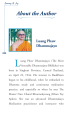
About the Author
322
Luang Phaw
Dhammajayo
uang Phaw Dhammajayo (The Most
Venerable Dhammajayo Bhikkhu) was
born in Singburi Province, Central Thailand,
on April 22, 1944. His interest
Luang Phaw Dhammajayo, born on April 22, 1944, in Singburi Province, Thailand, developed a passion for Buddhism from a young age. His Dhamma studies and meditation practice deepened significantly afte
93
Luang Phaw Dhammajayo: A Leader in Buddhism and Meditation
92
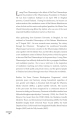
uang Phaw Dhammajayo is the abbot of Wat Phra Dhammakaya
He was born Chaiboon Suthipol on 22 April 1944 in Singburi
province, Central Thailand. During his adolescence, he became an
ardent student o
Luang Phaw Dhammajayo, born Chaiboon Suthipol, is the abbot of Wat Phra Dhammakaya and has dedicated his life to propagating Buddhism and meditation. After his ordination in 1969, he played a key role
164
Meetings With A Dhamma Master
…ting with, and talking to, a Buddhist monk who knows me better than I know myself.
Meetings With A Dhamma Master includes twenty talks that I have had with Luang Por Dattajevo over the course of a two year period…
In 'Meetings With A Dhamma Master', Suzanne Jeffrey shares her enlightening conversations with Luang Por Dattajevo, Vice Abbot of Wat…
52
The Maiden's Dilemma: Choosing Duty Over Desire
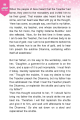
When the people of Alavi heard that the Teacher had come, they went to the monastery and invited him to be their guest. That maiden also heard that he had come, and her heart was filled with joy at th
In Alavi, when the Teacher arrives, a maiden is filled with joy at the thought of seeing the mighty Gotama Buddha and hearing him preach the Dhamma. However, her father's request to complete a garment